Most health systems have built their feedback infrastructure around management visibility. That's a structural mistake - and HCAHPS environment-of-care scores reveal it every quarter.
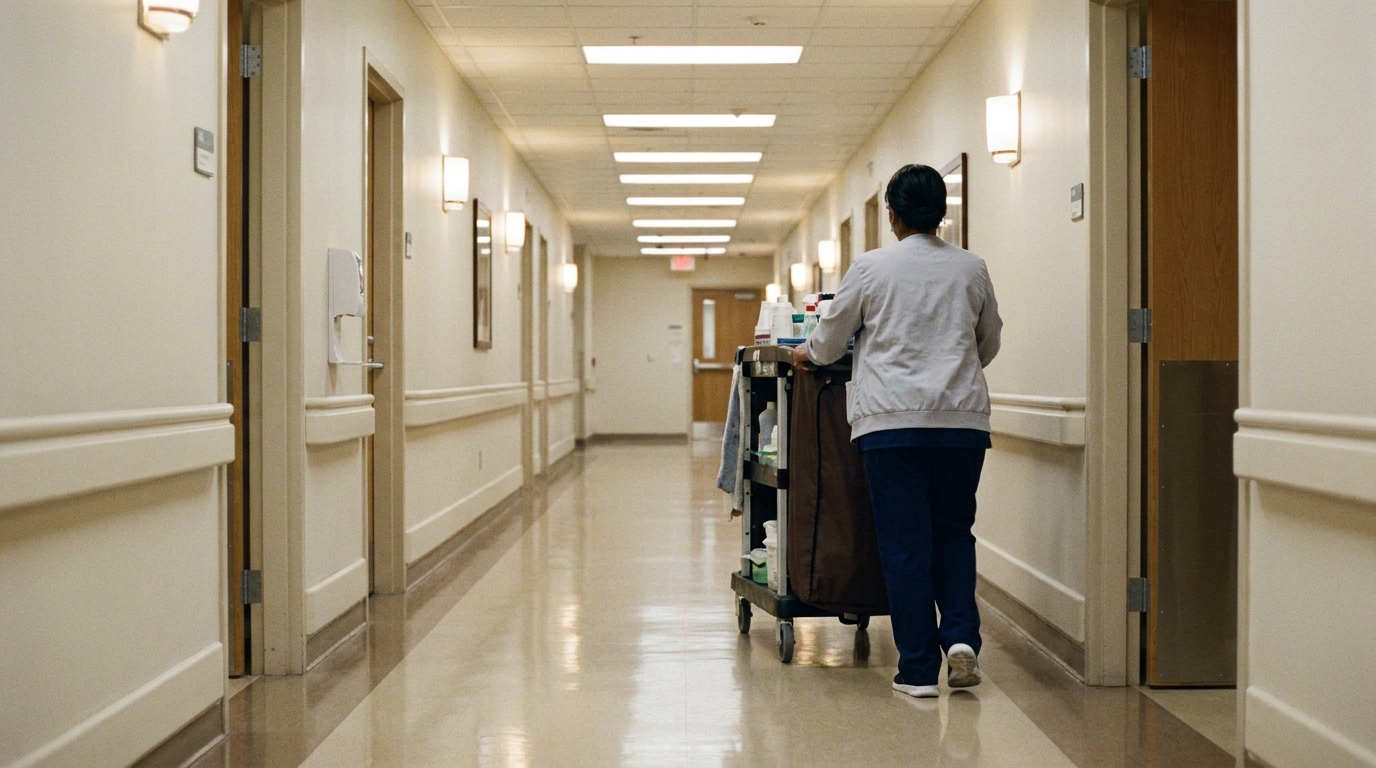
The teams responsible for cleanliness and environmental quality are EVS workers. They're on the floor, they're responsive, and they can act on patient feedback immediately. They almost never see it in real time.
EVS Teams Are the Last to Know
Patient feedback on room cleanliness, odor, and environmental conditions follows a predictable upward path in most health systems. It flows into a survey platform or CX tool. It aggregates. It surfaces in a weekly report. That report lands in a manager's inbox - sometimes a dashboard that no one checks on second or third shift.
By the time an EVS supervisor sees a trend, the patients who generated it have been discharged.
This is not a performance problem with EVS staff. It is a routing problem. The feedback loop bypasses the people with the most direct ability to act, routing insight to management layers that cannot respond in real time even when they want to.
The Gap Is Where HCAHPS Scores Erode
HCAHPS cleanliness and environment scores are not formed at discharge. They're formed during the stay - in the moment a patient notices a soiled floor, an unclean restroom, or a corridor that hasn't been attended to.
A patient who flags an environmental concern at 2 PM has already formed an opinion by 2:05 PM. If no corrective action follows - because the signal won't surface until a manager reviews Friday's report - that negative impression sets. The survey at discharge captures a memory, not a recoverable moment.
According to CMS data, cleanliness of the hospital environment and quietness of the hospital environment are consistently among the lowest-performing HCAHPS composite dimensions across health systems nationally. These are precisely the dimensions where feedback traditionally travels furthest from the team that can address it.
The gap between feedback capture and operational action is where scores are lost. Not at the moment of dissatisfaction - in the delay.
What Real-Time Routing to EVS Actually Changes
When feedback from patients reaches EVS teams directly - via floor-level alerts, shift dashboards, or mobile notifications to the shift lead - response cycles compress from days to minutes.
FeedbackNow internal data shows that health systems routing environment-of-care feedback in real time to non-clinical operations teams resolve individual issues measurably faster than those relying solely on weekly aggregate reporting.
The operational mechanics are straightforward. A patient provides feedback on a device near a patient room exit or nursing station. The signal routes immediately to the EVS shift lead covering that floor - not only into a centralized analytics platform. The shift lead dispatches. The issue is addressed while the experience is still happening.
Why This Changes the Survey Outcome
Patient memory of a hospital stay is shaped disproportionately by unresolved friction. JD Power's Hospital Experience research identifies environment factors - cleanliness, noise, physical comfort - as top drivers of overall patient satisfaction scores.
When those factors are resolved in real time, a negative touchpoint becomes a neutral or even positive one. When they're unresolved at discharge, they anchor the patient's recall of the entire stay.
The Management Dashboard Problem
Most CX platforms route all feedback to management. That's where data accumulates, trends are identified, and decisions are made. None of that is wrong.
But a dashboard showing a 61% satisfaction rate on room cleanliness for a given week does not move a mop. It moves a slide in a quarterly review.
Operational accountability requires a direct line between the patient experience signal and the person responsible for acting on it. For EVS, that means shift-level routing - not report-level aggregation. The manager who sees the weekly trend should be reviewing resolved issues, not discovering them for the first time.
Real-time routing to EVS doesn't remove managers from the loop. It ensures that by the time a manager identifies a pattern, the individual incidents feeding that pattern have already been addressed.
Device Placement and Routing Logic
Where feedback is captured shapes who sees it and when.
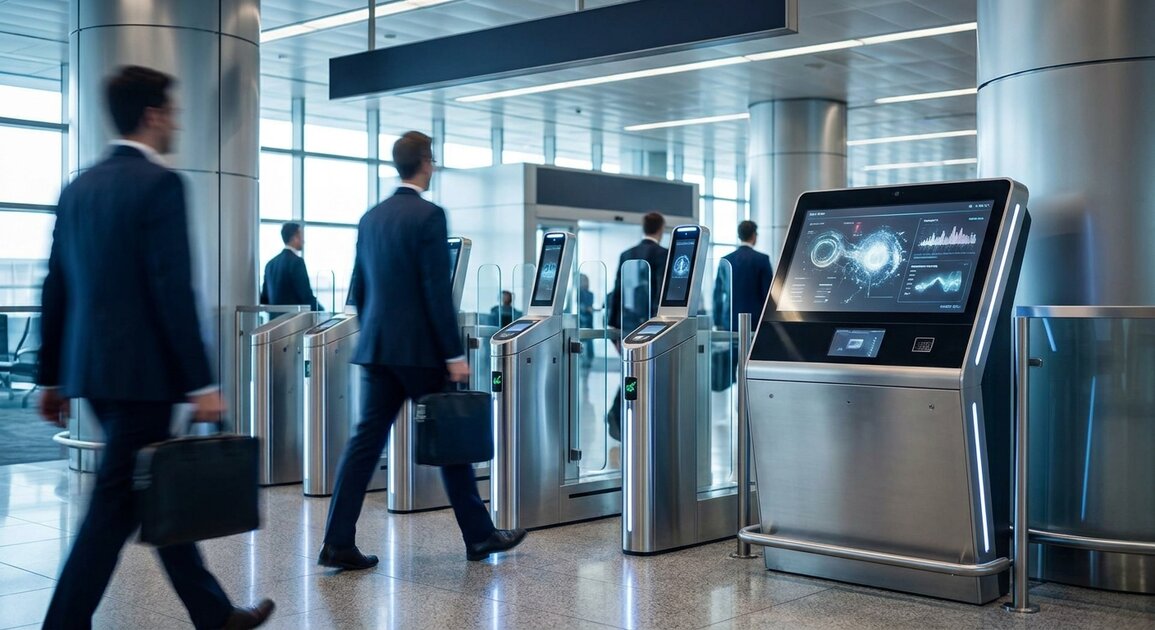
FeedbackNow's placement strategy for hospital environments prioritizes proximity to the touchpoints where environmental impressions are freshest: patient room corridors, elevator lobbies, restrooms near high-traffic areas, and discharge waiting zones. These are not incidental placement choices - they are operational decisions tied to routing architecture.
Configurable Routing by Team
Rather than routing all signals into a single aggregate stream, FeedbackNow enables configurable routing by location, feedback type, and operational team. EVS teams can receive direct notifications for environment-tagged feedback on their specific floor or wing. Facilities teams see infrastructure-related signals. Clinical care feedback routes separately.
Each team receives the signal relevant to them, in real time, as it happens - not a filtered summary compiled twenty-four hours after the fact.
What This Looks Like Operationally
At a mid-size regional hospital deploying real-time EVS routing, the operational rhythm is different from one running on weekly reports.
By end of shift, the EVS lead has responded to several environment flags captured during that day's patient activity. A portion of those are addressed within the same visit window - before the patient forms a lasting impression, and well before any survey is triggered.
When the post-discharge survey arrives, the floor issue that might have driven a low score was resolved. The patient's experience includes both the initial friction and the swift response. That resolution changes the score.
This is not a theoretical improvement. It is how feedback-to-action cycles work when the routing infrastructure is built correctly.
The Bottom Line
HCAHPS environment-of-care scores are driven by what happens on the floor, in real time. The feedback infrastructure most health systems have built routes insight upward to management not directly to the teams with the proximity and authority to act.
Real-time routing to EVS and non-clinical operations closes that gap. It transforms feedback from a retrospective audit tool into a live operational signal. The delay is the problem. The routing is the fix.
Contact us to learn more about how FeedbackNow can help improve your customer experience and operations!