Terminal areas are about to get more crowded — by design.
The TSA has launched Gateside by TSA PreCheck, a new program letting trusted travelers pass through security without a boarding pass to greet arriving passengers, walk family to the gate, or simply shop and dine past the checkpoint. It launched at more than a dozen airports in September 2026, with expansion planned.
That is good news for travelers. It is a new operational variable for everyone running the terminal.
A New Kind of Passenger, Without a New Kind of Data
Traditional passenger experience metrics are built around people who are flying: gate wait time, security throughput, boarding satisfaction.
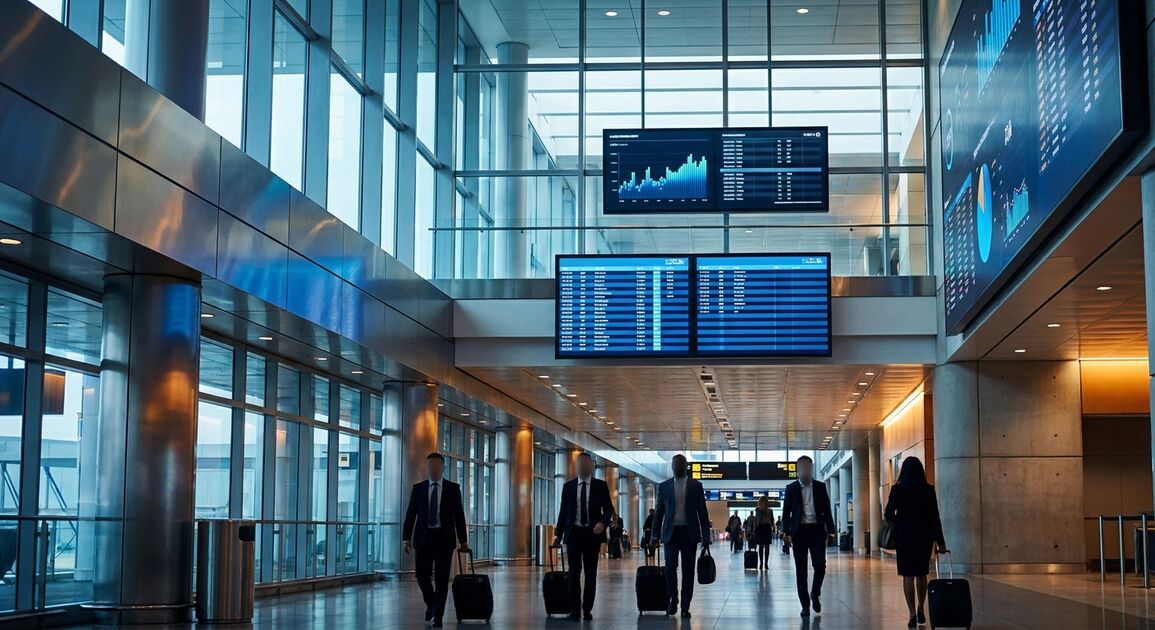
Gateside passengers do not fit that model. They are in the terminal without a flight, moving through restrooms, food courts, and gate areas alongside departing and arriving travelers — adding real foot traffic without adding to traditional volume counts.
An airport that only measures the flying passenger is now missing a growing share of who is actually in the building.
Volume Is Already Near Record Levels
This expansion is landing on top of an already strained system. TSA screened more than 904 million passengers in 2024, and single-day volume has repeatedly broken 2.8 million travelers at checkpoints nationwide (TSA, 2025).
Adding non-flying visitors to that volume, even at a subset of airports, changes the load on restrooms, seating, food service, and gate-area cleanliness — areas that were already sized around ticketed passenger counts.
Friction Shows Up Where Measurement Doesn't
The risk is not that Gateside fails. Early coverage frames it as a welcome return of pre-9/11 terminal access.
The risk is that the friction it creates — longer restroom lines, busier gate seating, higher demand on food service — shows up in places the airport is not currently watching, because those areas were never designed with non-flying visitors in mind.
A restroom near a gate that suddenly serves both flying and non-flying traffic needs the same real-time visibility as any other high-traffic touchpoint. The passenger type behind the signal does not matter. The response time does.
The Measurement Gap Is Structural, Not Temporary
This is not a short-term adjustment period that resolves itself once the program stabilizes.
Traditional passenger experience metrics — boarding pass scans, TSA checkpoint counts, gate-area surveys tied to a flight number — are structurally built around the ticketed traveler. A Gateside visitor does not generate any of those data points, even while using the same restrooms, seating, and food service.
As programs like this expand to more airports, that structural gap widens. An airport measuring only what it has always measured will see a growing share of its terminal population as invisible to its own metrics.
A Hub Airport's Version of This Problem
A major hub airport already operating near capacity has the least room for error here. Every incremental visitor adds pressure to systems sized around forecasted ticketed volume.
For a hub airport, the value of real-time, location-based feedback is that it doesn't require forecasting who will show up. It captures the signal from whoever is actually there — ticketed or not — and routes it the same way regardless of the source.
Real-Time Feedback Doesn't Care Who's Flying
This is where real-time, location-based feedback has an advantage traditional passenger surveys don't: it captures a signal from whoever is standing at that touchpoint, ticketed or not.
A cleanliness or wait-time signal from a Gateside visitor is just as actionable as one from a departing passenger. Both point to the same operational reality: a location that needs attention, in real time, regardless of who raised the flag.
Airports that already have real-time feedback infrastructure at restrooms, gate areas, and food service touchpoints are positioned to absorb this shift without a blind spot. Airports relying solely on flight-based passenger metrics will not see the strain until it shows up in complaints.
Planning for What Comes Next
Gateside by TSA PreCheck launched at just over a dozen airports. It will not stay there.
Programs like this tend to expand once early friction is worked out — and airports that wait until an expansion announcement to think about non-flying foot traffic will be reacting after the fact, not preparing ahead of it.
The airports best positioned for this shift are the ones already treating every terminal touchpoint — flying or not — as a place worth listening to in real time.
The Touchpoint Doesn't Ask for a Boarding Pass
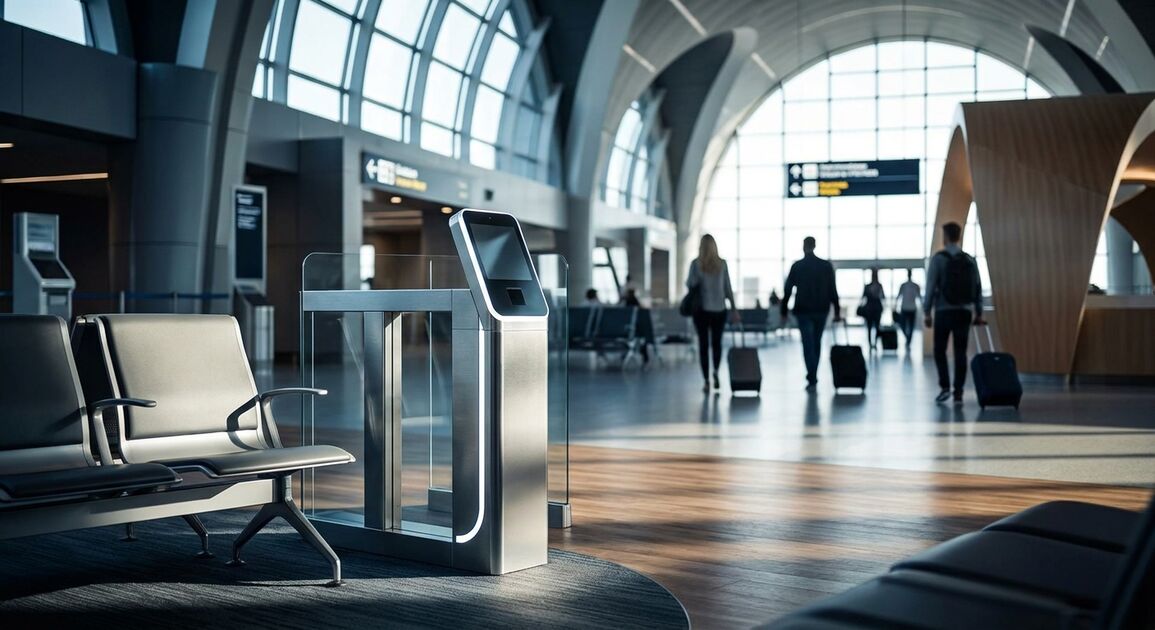
A feedback device at a restroom or food court does not know or care whether the person using it holds a ticket. It only knows the location and the moment.
That is precisely the design advantage terminals need as the definition of "passenger" keeps expanding.
The Bottom Line
New access programs are changing who moves through the terminal — and traditional passenger metrics were not built to see them.
Real-time feedback captures the experience at the touchpoint, not the ticket. That is what keeps terminal teams ahead of friction as airport access keeps expanding.
See how real-time feedback covers every terminal touchpoint →
Contact us to learn more about how FeedbackNow can help improve your customer experience and operations!