
Acción más rápida.
Caja de emoticonos avanzada
Con seis botones totalmente personalizables, una pantalla de tinta electrónica alimentada por batería y una integración instantánea con los sistemas de órdenes de trabajo, el nuevo dispositivo FeedbackNow transforma la retroalimentación sin procesar en inteligencia operativa en tiempo real. smiley feedback buttons, people counters, environmental sensors, and location data to give operations teams a real-time view of their facilities.I
It turns real-time customer feedback and operational data into actionable alerts, helping teams respond to actual demand instead of relying on schedules and guesswork.

Por qué los líderes de experiencia y operaciones se están actualizando a Advanced Smiley Box
A fixed schedule is set before the day begins. It cannot account for a flight delay, an overflowing clinic, or a sudden surge of people during a concert intermission.That means some spaces are cleaned when they do not need attention, while others experience a spike in demand before the next scheduled check. Traditional experience reporting may show that something went wrong, but it does not help teams respond while it is happening.
From Experience Measurement to Real-Time Action
Experience standards may be measured over time, but operations happen in the moment. Teams need to know where conditions are changing and where attention is needed now.
- Hospitals: HCAHPS measures areas of the patient experience including cleanliness, staff responsiveness, and restfulness.
- Airports: Cleanliness remains an important part of passenger experience measurement.
- Operations: Real-time signals help teams see which location needs attention now, rather than waiting to see how it scored later.


Real-Time Feedback in Action
The Port Authority of New York and New Jersey uses real-time feedback across its airport operations, helping teams connect passenger experience with what is happening on the ground.
- 43M+ Passenger votes collected since 2018
- 90.1% Average satisfaction
- 93.3% Satisfaction at Newark Terminal A
- 95.6% Satisfaction at LaGuardia Terminal B
The goal is simple: use demand and experience signals to help teams respond where they are needed most.
Connect Real-Time Feedback, People Counters, and Noise Sensors for Smarter Facility Operations
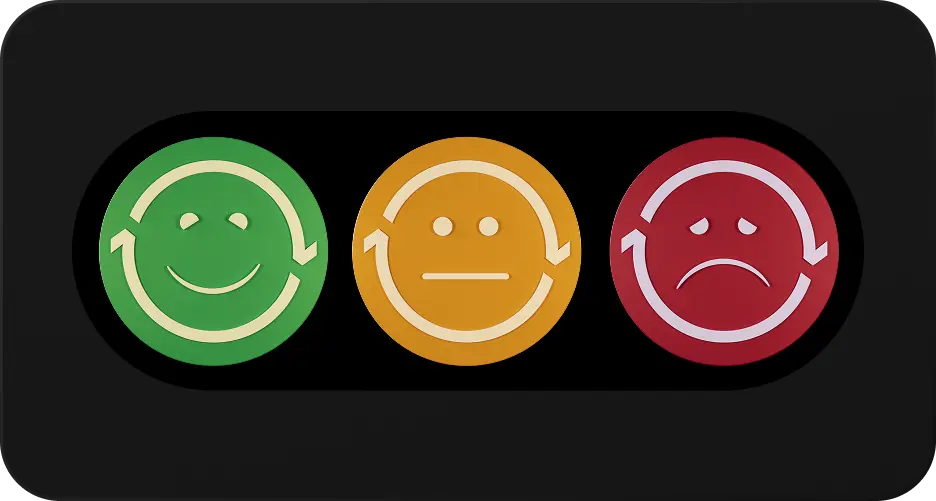
Capture sentiment in the moment
SmileyBox makes it effortless for customers to share how they feel with a single tap. Capture high-volume feedback at the point of experience and see where satisfaction is rising or where attention may be needed.
Turn feedback into action
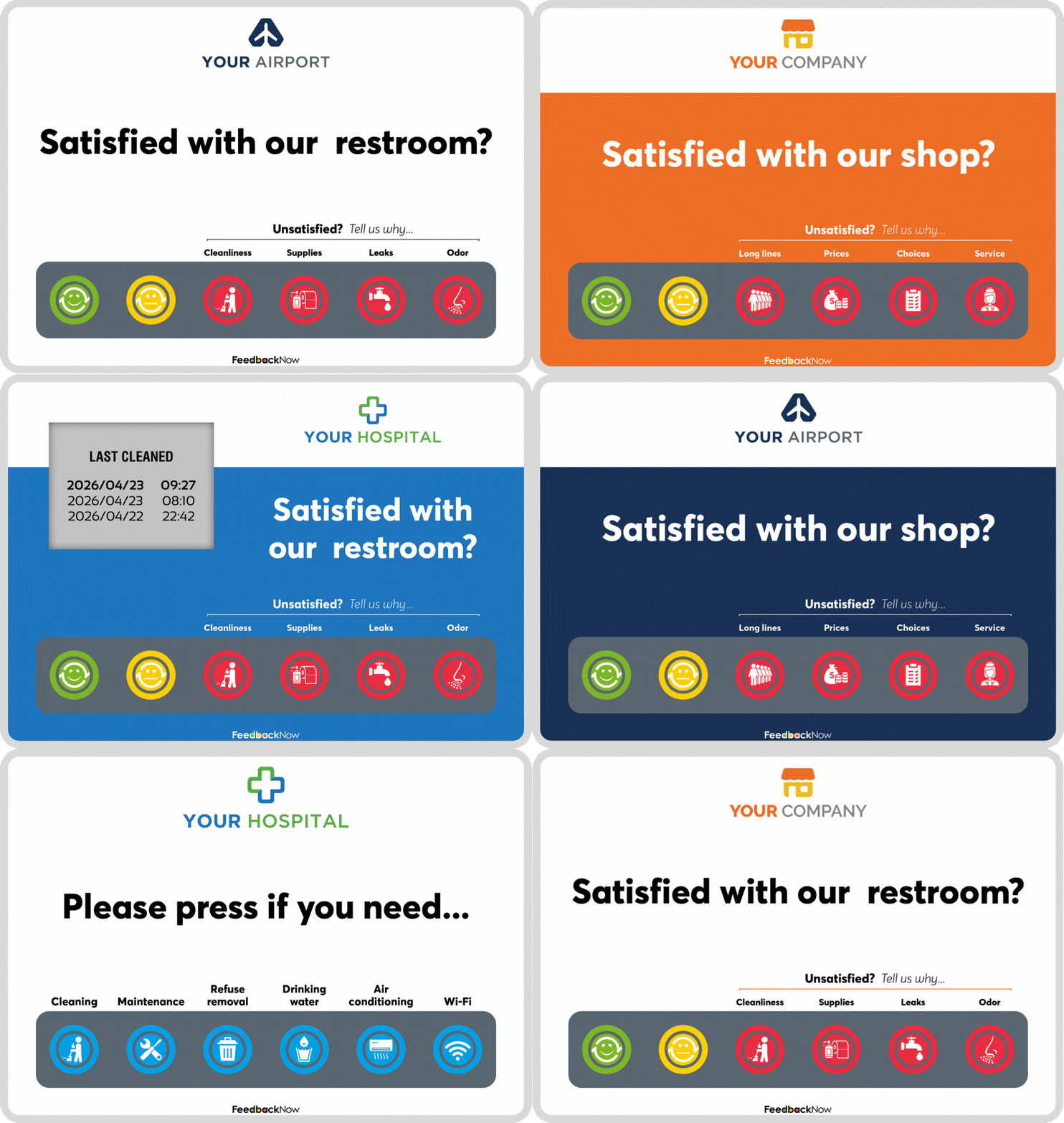
FlexBox goes beyond a simple rating. Give customers options to share what went wrong, request help, or trigger a specific call to action - giving teams the context they need to understand the issue and respond while it still matters.
Add context to the experience
See how traffic, occupancy, and flow affect the customer experience. Connect people-count data with real-time feedback to understand whether a poor experience happened during a busy period, a sudden surge, or a change in traffic.

Extend the loop
across the facility
Real-time operational signals help teams respond to changing conditions across airports, hospitals, retail spaces, and more.
Security
A quick feedback signal at the checkpoint exit, paired with people counts, helps teams see how passenger experience changes with traffic.
Airport Gates
Real-time feedback and people counters help teams spot when crowded gate areas are affecting passenger experience and respond quickly.
Hospitals
At Montefiore, 1-2-3 buttons let patients request help or cleaning, routing the request to staff who can often respond within 5–10 minutes. Read the Montefiore case study.
Retail
Real-time feedback and people counts help teams spot changes in demand and customer experience across checkouts, fitting rooms, and service areas.
Alert the person who can act
Real-time data becomes useful when it reaches the right person with enough context to act. FeedbackNow helps turn experience signals into operational action by connecting alerts to the teams responsible for each location.
- Route alerts to the right role. A restroom alert can go to the EVS lead, a security signal to the checkpoint supervisor, and a gate issue to the duty manager.
- Add context with FlexBox. Give people a way to indicate why they are dissatisfied, so teams know what may need attention rather than simply seeing a negative signal.
- Connect to existing workflows. Work order systems and CMMS platforms can include the location and reason for an alert. Simpler operations can start with an alert and a radio call.
- Respond to exceptions in real time. Fixed schedules can remain the baseline, while real-time alerts help teams respond when actual conditions require attention.

Choose the right people counter for the location
The right people counter depends on the location and what the operations team needs to understand.
From our people counters comparison:
The value is not simply the sensor. It is what happens when traffic data is viewed alongside experience data. A people counter tells you about demand. Feedback tells you about the experience. Together, they provide a more useful operational picture.
Add noise when the environment matters
A noise sensor adds environmental context in places where restfulness, disruption, or crowd conditions matter, such as hospital corridors, waiting rooms, and airport hold rooms.
Threshold notifications can be delivered through email, SMS, or a dashboard and viewed alongside sentiment data.
A busy, noisy location where sentiment remains positive may require a different response from one where noise rises as feedback deteriorates.
Real-time measurement helps teams see when conditions change rather than relying only on periodic checks or general reminders.


What Operations Teams See
Real-time operational data helps teams understand what needs attention now, what may need attention next, and what is changing over time.
Now
See where an issue is happening, what the feedback shows, how busy the location is, whether a threshold has been reached, and who is responsible for responding. At PANYNJ, for example, cleaning teams can use live alerts to respond where they are needed.
Next
Traffic patterns can help teams prepare for predictable periods of demand. If a restroom was particularly busy at 2:00 PM yesterday and today's traffic is already rising, teams can prepare the area before the experience begins to decline.
Over Time
Compare the same location across days and weeks to see whether changes are working. This helps operations teams evaluate service performance and gives CX leaders more context when looking at longer-term measures such as ASQ or HCAHPS.
Connect the Right Feedback Tools
FeedbackNow can support different parts of the real-time feedback and operational workflow, depending on what you need to understand and act on.
- Comparing in-location feedback with surveys, experience management platforms, or digital feedback? Explore real-time customer feedback in physical locations.
- Need a simple way to capture feedback at the point of experience? Explore Smiley feedback buttons.
- Need reason codes, additional context, or cleaning records? Explore FlexBox.
Deje que nuestros expertos diseñen su solución de comentarios perfecta

Utilizado por los líderes de la industria desde 2012
Las principales empresas confían en FeedbackNow como la primera y más segura solución de captura de datos, que agiliza las soluciones desde la recopilación hasta la información.

Atracciones
Desde centros de transporte hasta bibliotecas, nuestros botones duraderos soportan un uso intensivo y capturan datos para guiar las actualizaciones del servicio.
Hospitales
Los botones sin contacto que cumplen con la HIPAA en las salas de espera y las áreas de alta brindan información útil sobre el paciente.
