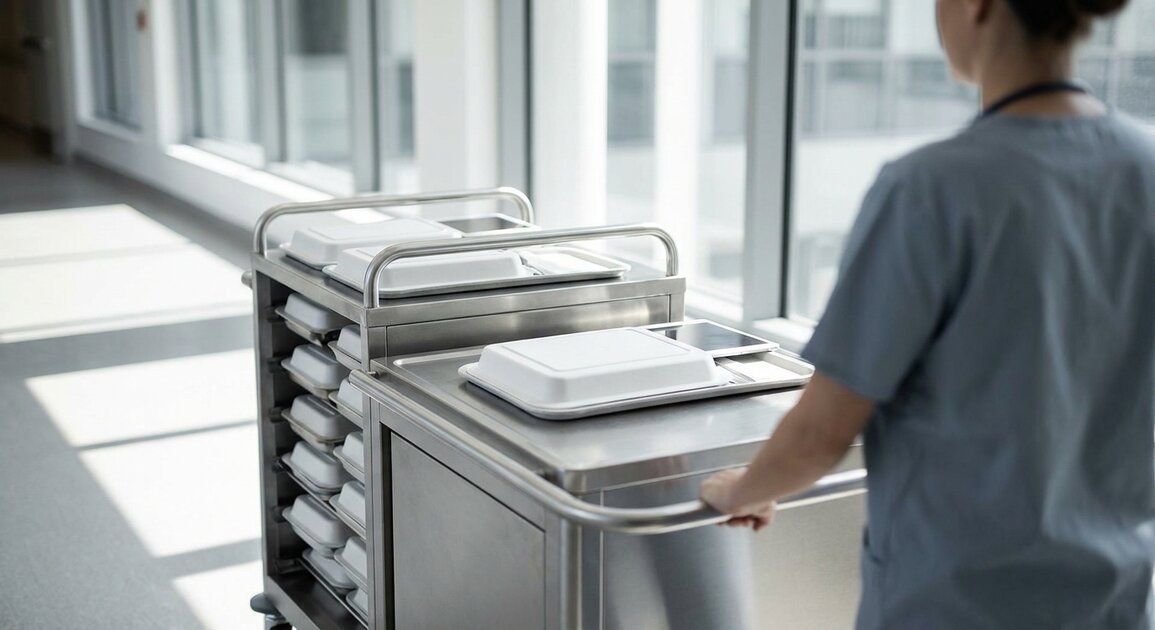
HCAHPS is an thirty two-question survey. It measures communication, responsiveness, cleanliness, quietness, discharge instructions, and overall rating.
What it does not measure is what patients experience before the clinical encounter begins, between clinical moments, and after the interaction ends.
These gaps are not small. According to FeedbackNow's Q1 2026 Hospital Index, non-clinical touchpoints — waiting areas, pharmacy services, reception, and facility cleanliness — account for a disproportionate share of patient impression formation.
Patients don't separate the clinical and the operational. They experience one journey.
The Touchpoints That HCAHPS Misses
A patient's hospital experience begins before they see a clinician. It begins at the entrance. The parking structure. The information desk. The waiting room they sit in for 45 minutes before their name is called.
A large hospital system deployed real-time feedback across both its clinical and non-clinical touchpoints simultaneously. The findings were direct:
Reception area satisfaction averaged 61% during peak hours — a full 22 points below the satisfaction rating for the same patient's clinical nursing interaction. Pharmacy waiting areas generated the highest volume of negative feedback during discharge workflows — a touchpoint that falls entirely outside the HCAHPS survey scope. Corridor cleanliness and wayfinding signage were flagged repeatedly as friction points, across multiple sites.
None of this appeared in HCAHPS data. The survey doesn't ask about it. The scores looked fine. The experience wasn't.
The Pharmacy Problem
A multi-site health network with pharmacy services embedded in its discharge process identified a consistent pattern: patient satisfaction dropped sharply during the post-discharge period, even when clinical HCAHPS scores remained stable.
The cause was wait time at the hospital pharmacy — a 20-to-35-minute gap between discharge authorization and departure that patients consistently rated as the most frustrating part of their entire hospital visit.
Patients cited "the hospital" as the source of dissatisfaction. The HCAHPS survey attributed the friction to discharge process overall — too blunt to identify the pharmacy queue as the specific operational pinch point.
Real-time feedback at the pharmacy waiting area identified the pattern within the first week of deployment — as it happens, not in the next quarterly review. The operational fix — staggered discharge scheduling and a patient communication update at the 10-minute wait mark — reduced negative feedback at that touchpoint by more than a third. The HCAHPS score followed. Because the experience changed first.
What the Hospital Index Reveals About Non-Clinical Zones
FeedbackNow's Q1 2026 Hospital Index measured patient experience across the full journey — clinical and non-clinical. The non-clinical zones consistently showed the widest variance.
A patient could rate nursing communication at 89% and reception at 58% in the same visit. A 31-point gap within a single patient journey.
The clinical team can't close that gap. They don't own reception. They don't own pharmacy. They don't own the waiting room temperature.
Operations teams do. And operations teams need their own feedback signal — not a share of HCAHPS data that doesn't capture their zones at all. The insight has to reach the right team at the right moment. Not after the patient has discharged and the data has aged.
That is the operational gap HCAHPS was never designed to close. Real-time feedback at the non-clinical touchpoints gives operations teams the visibility they need to act in real time — to address the friction in the pharmacy queue or the reception area while the patient is still in the building, not six weeks after the fact.
The Device Placement Question
One insight that emerges consistently from hospital deployments: where you place a feedback device determines what you learn.
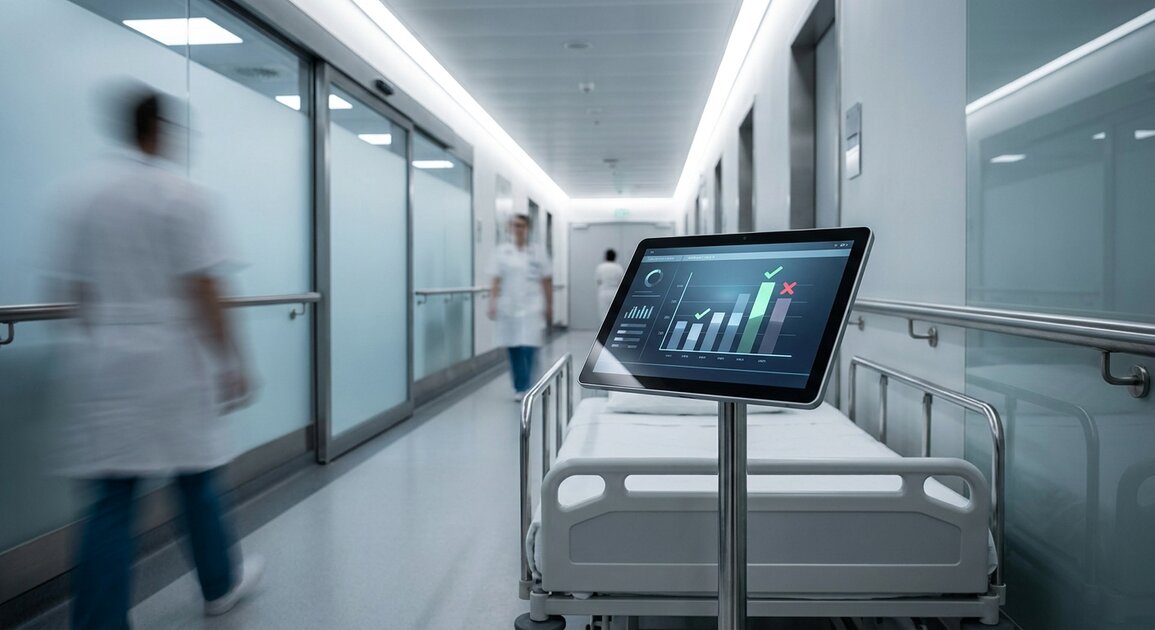
A regional medical center initially placed feedback kiosks at nursing stations and discharge points. Satisfaction scores were solid. The HCAHPS correlation looked reasonable.
Extending feedback to the pharmacy waiting area, the outpatient reception lobby, and the radiology waiting zone changed the picture. Three friction points emerged that had not appeared in any prior measurement. All three were operationally fixable. None were visible in HCAHPS data.
The measurement shaped the management. When the full journey was visible, the full journey could be improved — while the experience is still happening, not after the patient has left the building.
The Bottom Line
HCAHPS is a regulatory compliance tool with real financial implications. It is not a full operational picture of what patients experience.
The touchpoints that HCAHPS doesn't measure — reception, pharmacy, waiting areas, non-clinical corridors — are shaping patient impressions and CMS star ratings in ways that survey data alone cannot surface.
Real-time feedback across the full patient journey closes the gap between what HCAHPS measures and what patients actually experience. The hospitals improving their star ratings are the ones measuring the full journey — every touchpoint, every zone — not just the clinical encounter.
Contact us to learn more about how FeedbackNow can help improve your customer experience and operations!