Collecting passenger feedback is the beginning. Not the end.
The airports extracting the most operational value from real-time feedback data in 2026 are not treating it as a standalone measurement program. They are connecting it to their facilities management systems, their cleaning operations, their security intelligence dashboards, and their operations command centers.
Feedback becomes true operational intelligence when it flows into the infrastructure that runs the airport.
The Stand-Alone Feedback Problem
The first generation of real-time feedback at airports was characterized by isolation. Devices were deployed. Data appeared in a dedicated dashboard. Operations managers checked it periodically.
The feedback was real-time. The operational response was not.
An airport's operations team is not looking at a passenger experience dashboard when a satisfaction score drops at the Terminal 2 restroom cluster. They are looking at a security monitoring screen, an occupancy counter, a cleaning management system. The feedback data that would prompt an intervention is sitting in a separate interface, unseen, in real time.
This is the integration gap. It is the most common barrier to operational action from real-time passenger data. And it is entirely solvable — with the right architecture.
API Integration: From Signal to Stack
A major hub airport recognized that its passenger experience data was generating signal that its operations team was not positioned to act on. The problem was not the quality of the feedback. It was the delivery architecture.
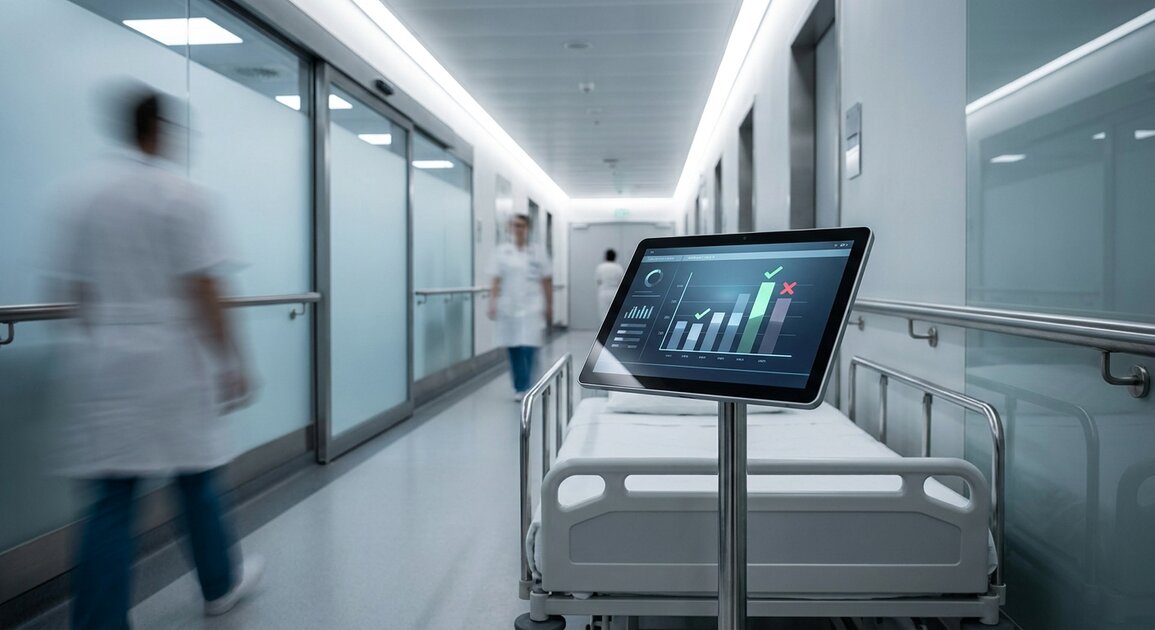
The airport's IT team integrated the FeedbackNow API with its operational intelligence platform — pulling real-time satisfaction scores into the same dashboard environment where the operations team was already monitoring occupancy data, CCTV alerts, and cleaning task completion logs.
The integration changed the operational model. Satisfaction data stopped being a siloed metric and became a layer in the operations picture. A drop in restroom satisfaction in the South Terminal now appeared alongside the occupancy spike that caused it. The cleaning supervisor saw both signals simultaneously and deployed a response in under eight minutes.
Previously, the same situation would have generated a satisfaction dip in a weekly report — too late to connect to the causal event, too aggregated to drive a specific response.
What Real Integration Looks Like Across the Journey
The operational value of integration scales with the breadth of the feedback network.
When feedback from check-in, security queues, departure gates, retail zones, and restrooms all flow into the same operational layer — alongside occupancy counters, time-of-day data, and task management logs — the airport gains a real-time picture of the passenger experience across the entire journey.
ACI World data is consistent on this point: airports with unified, journey-level visibility respond to friction points faster and achieve higher ASQ scores over time. The correlation between operational response speed and satisfaction benchmarks is documented.
An airport managing multiple terminals deployed real-time feedback across 40+ touchpoints, with API integration connecting satisfaction data to its facilities management platform. Terminal scores that had varied by 18 percentage points across facilities narrowed to within 7 points within two quarters. Not because the hardware changed. Because the visibility changed — and operational response time followed.
The Accountability Architecture
Integration does not just improve response time. It changes the accountability structure.
When a cleaning contractor's performance is visible in the same platform as passenger satisfaction scores for the zones they manage, the conversation changes from "the schedule was completed" to "satisfaction was 71% during your shift — here's the data." Objective. Time-stamped. Operationally specific.
The same principle applies to F&B operators, retail concessionaires, and ground handling vendors. Real-time passenger feedback, connected to the operational stack, creates a shared accountability layer that retrospective surveys cannot. Every partner sees their performance as it happens — not at the end of the quarter.
The Integration Roadmap
Airports beginning this journey do not need to connect everything at once. The integration value compounds incrementally.
Start with the highest-volume friction zones — typically restrooms and departure gates. Connect the feedback data to the tools the operations team already uses. Demonstrate the response time improvement in the first 30 days.
Then extend. Add occupancy data. Connect cleaning logs. Route alerts through the facilities management system. Each integration layer makes the previous ones more operationally valuable.
The Bottom Line
Smiley buttons generate a feedback signal. Operational integration generates operational intelligence.
The airports closing the gap between passenger experience data and operational action are the ones that have connected their feedback infrastructure to their operations stack — not kept it isolated in a separate platform.
Real-time passenger feedback, integrated with the tools your operations team already uses, is how you close the loop between what passengers experience and what your teams can do about it — as it happens, while the experience is still happening.
Contact us to learn more about how FeedbackNow can help improve your customer experience and operations!