In higher education, student experience is no longer just a qualitative measure - it is directly tied to enrollment, retention, funding, and institutional reputation. Colleges and universities that fail to meet student expectations risk declining enrollment, lower retention rates, and increased operational costs.
What leading organizations across industries have proven is that real-time feedback transforms experience management into a measurable financial driver. For higher education, the same model applies - often with even greater long-term impact.
Why Student Experience Drives Financial Outcomes
Higher education institutions rely on multiple financial drivers:
- Student enrollment and tuition revenue
- Retention and graduation rates
- Campus housing and dining revenue
- Alumni engagement and donations
- Institutional rankings and reputation
According to National Center for Education Statistics, student retention is one of the most critical indicators of institutional success and financial stability.
Even a small improvement in retention can translate into millions of dollars in preserved tuition revenue.
The Problem: Limited Visibility into Campus Experience
Most institutions rely on:
- End-of-semester surveys
- Annual satisfaction studies
- Anecdotal feedback from staff
These approaches:
- Capture feedback too late
- Lack location-specific insights
- Prevent real-time service recovery
The result is a reactive model where student dissatisfaction can persist for weeks or months before being addressed.
Real-Time Feedback: A New Operating Model for Campuses
By deploying real-time feedback across campus touchpoints - classrooms, libraries, dining halls, residence halls, and student services — institutions gain immediate visibility into student sentiment.
This enables:
- Immediate response to issues
- Data-driven facilities and staffing decisions
- Continuous improvement of student experience
The outcome is improved satisfaction, higher retention, and more efficient operations.
Proof from the Field: Lessons from Other Industries
While adoption is growing in higher education, other industries provide clear evidence of financial impact.
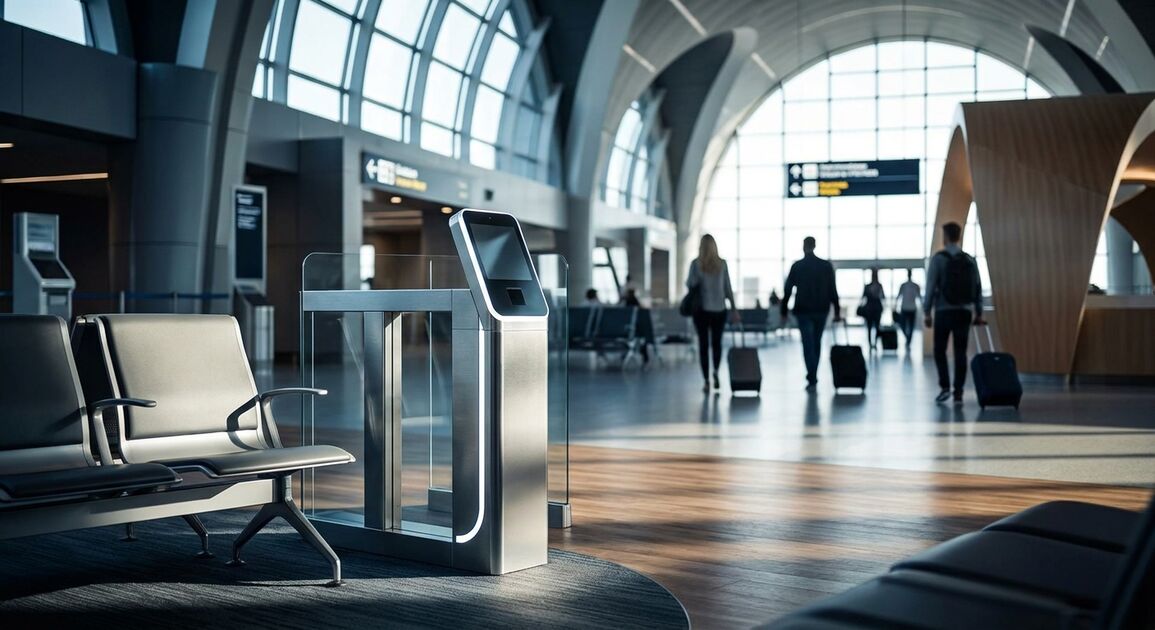
- Airports have shown that improving experience increases per-passenger spending and operational efficiency.
- Retail environments have demonstrated that reducing friction improves conversion rates and revenue.
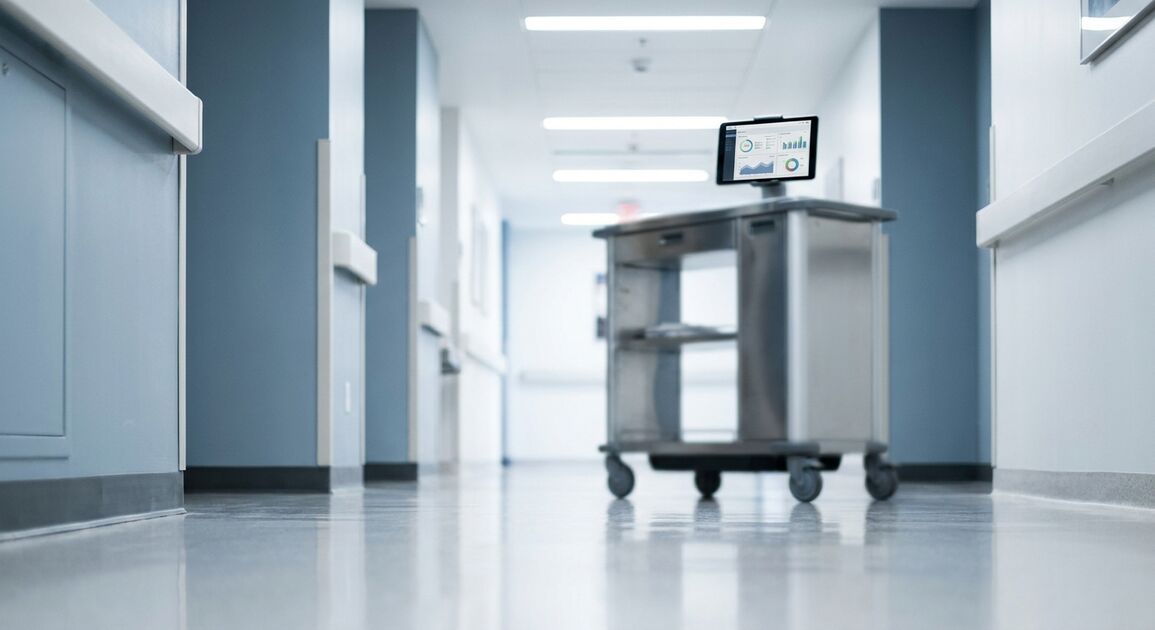
- Healthcare systems have linked real-time feedback to operational improvements and measurable financial outcomes.
These same principles apply directly to campuses, where experience drives both immediate and long-term financial performance.
Financial Levers Enabled by Real-Time Feedback
Increased Student Retention
Student satisfaction directly impacts:
- Persistence from semester to semester
- Graduation rates
- Overall lifetime student value
Improving campus experience reduces attrition and protects tuition revenue.
Optimized Housing and Dining Revenue
Campus services such as housing and dining are major revenue drivers.
Real-time feedback helps:
- Improve dining experience and participation
- Maintain cleanliness and quality in residence halls
- Increase student engagement with campus services
Better experiences lead to higher utilization and revenue.
Improved Operational Efficiency
Without real-time data:
- Maintenance and cleaning follow fixed schedules
- Issues go unreported or unresolved
- Resources are misallocated
With real-time feedback:
- Facilities teams respond to actual demand
- Issues are resolved quickly
- Staffing is optimized
Result:
- Lower operational costs
- Improved service quality
- Better use of institutional resources
Enhanced Campus Reputation and Enrollment
Student experience drives:
- Online reviews and rankings
- Word-of-mouth recommendations
- Prospective student decisions
By improving experience in real time, institutions can strengthen their brand and attract more applicants.
Reduced Risk and Compliance Issues
Campus environments must meet standards for:
- Safety
- Cleanliness
- Accessibility
Real-time feedback enables:
- Early detection of issues
- Faster resolution
- Better documentation of actions
This reduces institutional risk and improves compliance.
Why Real-Time Feedback Outperforms Surveys
- Immediacy
Feedback is captured and acted on during the experience - Granularity
Insights are tied to specific buildings, services, and times - Predictive capability
Patterns enable proactive improvements - Visibility
Facilities, operations, and leadership share a unified view
How Institutions Can Start Capturing ROI
- Identifier les principaux points de contact du campus
Réfectoires, toilettes, bibliothèques, logements, services aux étudiants
- Déployez des appareils de feedback
Outils de saisie simples et intuitifs pour les étudiants
- Activer les alertes
Déclenchez une réponse lorsque la satisfaction baisse
- Suivez les performances
Mesurer l'amélioration des indicateurs de satisfaction et de rétention
- Élargir l'ensemble du campus
Développez et optimisez à l'aide des analyses
L'essentiel
Les établissements d'enseignement supérieur évoluent dans un environnement de plus en plus concurrentiel où l'expérience des étudiants a un impact direct sur les performances financières.
Les commentaires en temps réel fournissent la visibilité nécessaire pour gérer cette expérience de manière proactive.
En identifiant les problèmes au fur et à mesure qu'ils surviennent et en donnant aux équipes les moyens d'agir immédiatement, les collèges et universités peuvent améliorer la rétention, optimiser les opérations et
renforcer leur situation financière.
Vous êtes curieux de savoir comment cela pourrait fonctionner sur votre campus ?
Explorez comment le feedback en temps réel peut transformer l'expérience des étudiants et générer un retour sur investissement mesurable dans l'ensemble de votre établissement.
Contact us to learn more about how FeedbackNow can help improve your customer experience and operations!