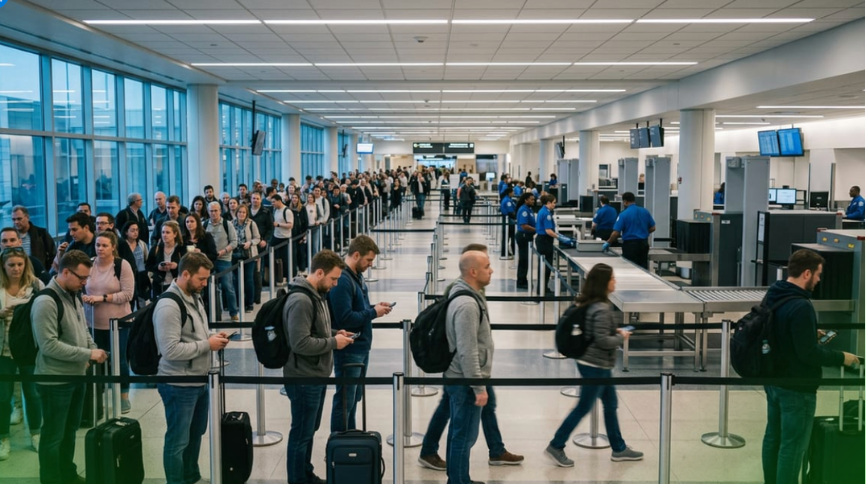
If you flew through certain U.S. airports this week, you may have experienced the ultimate travel endurance test: the four-hour TSA line.
At several US airports this week, security lines stretched through terminals, around corners, and even into parking garages. For travelers trying to make connections — or simply trying to start spring break — patience became the most important item in their carry-on.
The root causes are complex: a government shutdown, TSA staffing shortages, and rising spring travel demand. But one thing is clear:
________________________________________________________________________________
________________________________________________________________________________
So while the headlines this week focus on long waits, we thought it was a perfect moment to reshare a few ideas from earlier FeedbackNow blogs about how airports, TSA teams, and the Department of Homeland Security can help keep passengers moving.
Because while congestion may be inevitable, chaos doesn’t have to be.
Lesson #1: Measure the Line Before It Becomes a Problem
One of the biggest challenges in airport operations is visibility. Passenger surges can happen in minutes when several flights land or depart close together.
In our earlier article “Keeping Airports Moving: How People Counters Improve TSA Lines and Passenger Flow,” we explored how real-time people counting technology helps airport teams see problems before passengers feel them.
Instead of guessing when lines are building, advanced sensors provide live occupancy counts at checkpoints. Operations teams can then:
• Open additional screening lanes sooner
• Reassign staff before bottlenecks escalate
• Redirect passengers to shorter checkpoints
• Display real-time wait time estimates for travelers
When airports can see the flow clearly, they can act earlier — and keep lines from spiraling.
👉 Read more:
Keeping Airports Moving: How People Counters Improve TSA Lines and Passenger Flow
Lesson #2: Smart Airports Use AI to Anticipate Surges
The next generation of airports isn’t just collecting data — they’re learning from it.
In our post “AI as the Foundation of Smart Airports,” we discussed how AI-driven intelligence can identify patterns in passenger movement, flight banks, and peak congestion periods.
By analyzing operational data and passenger signals, AI systems can help airports:
• Predict when checkpoint demand will spike
• Allocate staffing more efficiently
• Identify operational weak points across terminals
• Standardize best practices across multiple airports
The goal isn’t more dashboards — it’s smarter decisions in real time.
👉 Read more:
AI as the Foundation of Smart Airports
Lesson #3: Real-Time Passenger Feedback Is an Early Warning System
Technology that measures movement is powerful — but understanding how passengers are experiencing that movement is equally important.
In “Terminal Signals: How Real-Time Feedback Can Turn Airport Chaos into Passenger Calm,” we explored how airports are using real-time feedback devices and AI-powered sentiment analysis to monitor passenger stress and satisfaction.
Why does this matter?
Because the passenger journey is interconnected.
If TSA lines become overwhelming, it impacts:
• Passenger stress levels
• Gate congestion
• Retail and restaurant revenue
• Overall airport satisfaction scores
Real-time feedback signals help airport teams respond immediately — dispatching staff, adjusting operations, and communicating with travelers before frustration boils over.
👉 Read more:
Terminal Signals: How Real-Time Feedback Can Turn Airport Chaos into Passenger Calm
Benchmarking What the Best Airports Are Doing
For airport leaders looking to go deeper, the FeedbackNow Quarterly Global Airport Index provides a data-driven way to benchmark operational performance across 12 key passenger experience and operational dimensions throughout the airport journey.
The Index analyzes real-time passenger feedback and operational signals across areas such as security flow, cleanliness, wayfinding, concessions, gate experience, terminal comfort, and overall passenger satisfaction. By comparing performance across airports worldwide, operators can identify where they lead, where friction exists, and what operational improvements drive the greatest impact.
For airports striving to become truly “smart airports,” benchmarking performance is just as important as collecting data. The Airport Index helps transform millions of passenger signals into actionable intelligence that supports better decisions, stronger operations, and better travel experiences.
👉 Download the latest FeedbackNow Quarterly Global Airport Index to see how leading airports measure and improve performance.
A Friendly Reminder to Travelers This Week
If you’re flying during the current disruption:
Arrive earlier than usual
Check airline and airport updates
Pack patience along with your boarding pass
And remember — many TSA officers are continuing to work during difficult circumstances. A little kindness in line goes a long way.
The Bigger Takeaway
Air travel will always involve unpredictable moments. Weather, staffing shortages, and travel surges are part of the ecosystem.
But the airports that perform best under pressure share one trait:
They operate with real-time intelligence.
From passenger flow sensors and AI insights to instant traveler feedback, modern airports now have the tools to transform long lines into manageable operations.
The result?
✔ Smoother passenger journeys
✔ Less operational stress
✔ More resilient airports — even on the toughest travel days
Want to learn more about how leading airports are improving operations with real-time insight?
Explore more resources on the FeedbackNow Blog and follow us on LinkedIn for the latest innovations in real-time passenger experience and airport operations.
Contact us to learn more about how FeedbackNow can help improve your customer experience and operations!