An accessible journey is an operational experience.
It crosses arrival, check-in, security, wayfinding, waiting, and boarding. A passenger may interact with several organizations in a short time. Each handoff shapes the experience.
Airports need a way to understand those moments without turning a passenger into a case file. Real-time feedback can provide a local signal about whether assistance was clear, timely, and coordinated. The purpose is practical: see friction, route it to an owner, and learn where the process can improve.
Accessibility is part of the whole operating picture
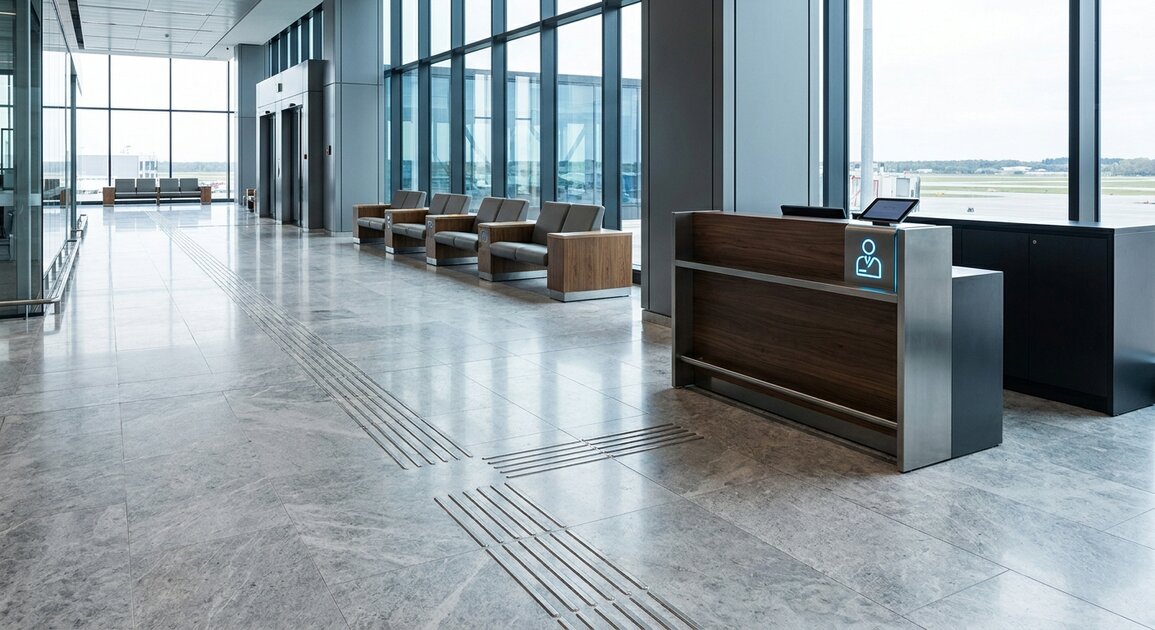
Accessibility is not a separate courtesy layer. It affects how people navigate space, understand instructions, and receive support. A clear route, timely assistance, and a predictable handoff can influence whether a passenger moves through the terminal with confidence.
BTS reported that the mishandled wheelchair and scooter rate for U.S. reporting carriers was 1.26% in 2024, down from 1.38% in 2023. The Bureau of Transportation Statistics publishes the full-year 2024 air travel consumer report. This is an airline-reported measure, not a score for any airport.
It does show why a clearly defined accessibility signal matters across the broader travel journey.
Airport teams should be precise about the scope of their data. A local feedback signal can describe a passenger's experience at a terminal touchpoint. It should not be treated as an evaluation of a carrier or security partner unless the process explicitly supports that accountability.
Clarity about scope helps the right organization act.
Capture the experience without adding burden
A useful feedback invitation is brief, optional, and easy to understand. It should not require passengers to describe a diagnosis or disclose personal health information. Ask about the experience of the support moment, not sensitive details about the person.
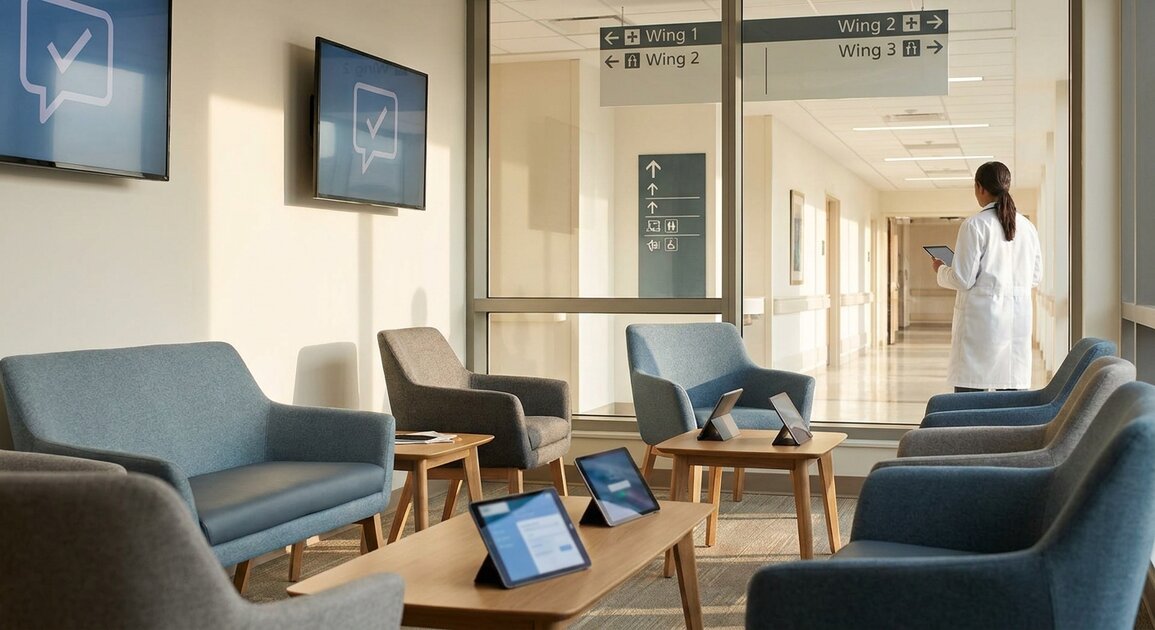
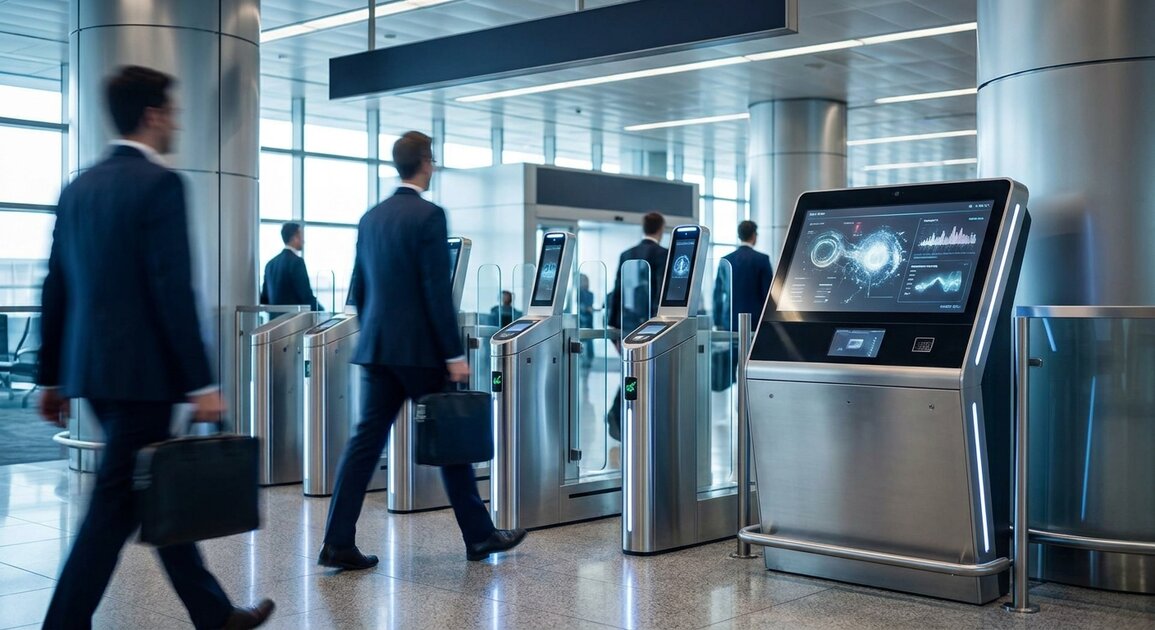
Collection methods should fit the physical setting. A passenger may prefer a button, a short digital response, or a conversation with staff. An airport can place feedback opportunities near assistance desks, accessible routes, security support points, or boarding areas, subject to local review.
Placement should not obstruct travel or create pressure to participate.
TSA describes Passenger Support Specialists as officers trained to assist people with disabilities, medical conditions, and other needs during screening. TSA explains its passenger support service. That is one defined part of the journey.
Airport operators can map adjacent touchpoints and work with partners to clarify what happens before and after screening.
Make handoffs clear across organizations
Accessibility issues often involve more than one owner. Airport operations may manage public spaces. An airline may coordinate boarding assistance.
Security follows its own procedures. Facilities maintains routes and equipment. A shared experience view does not erase those boundaries.
It helps define them.
Create a routing map before collecting data. Identify the team responsible for each location and service moment. Set a direct path for urgent safety concerns and a separate route for general experience signals.
Define how a signal moves when it crosses an organizational boundary. Staff should know who accepts ownership and how to confirm the handoff.
FeedbackNow makes on-site signals visible so teams can connect experience to operational follow-up. In an airport setting, that means a local signal can be reviewed alongside the relevant time, zone, and service owner. The platform should support cooperation while respecting the operating responsibilities of airport partners.
Measure the experience, not the person
A useful measurement plan looks at process reliability. Are requested supports acknowledged? Are routes and instructions understandable?
Do passengers have a consistent way to share feedback? Are signals reaching the right owner? Are repeated friction points reviewed with the teams who manage them?
Avoid using isolated responses to rank staff or infer an individual's needs. Focus on system design. A recurring signal around wayfinding may prompt a review of signage, staff visibility, or map instructions.
A signal about an assistance handoff may prompt a partner discussion. Each response is a lead for learning, not proof of fault.
Include people with lived experience in the review process. Ask accessibility advocates and operational staff to test instructions, placement, and response paths. Validate changes in the actual environment.
The best feedback process is one that passengers can use without disrupting their journey.
Close the loop with dignity
A response matters only if it leads somewhere useful. A team member can acknowledge the signal, determine the appropriate action, and record completion. When a follow-up with the passenger is appropriate, use the channel and timing they choose.
Do not promise an immediate fix when the issue requires a partner or longer-term change.
Review patterns at two levels. Shift teams need current signals. Airport leaders need trends by location and service moment.
Partner organizations need a shared summary of process-level themes. Keep personal information out of broad reports. This preserves dignity while making operational learning possible.
Accessibility improvements are often small and specific. A clearer sign. A more reliable handoff.
Better visibility of a support point. Real-time feedback helps teams notice which adjustment matters to people using the space and whether it improves the next journey.
The Bottom Line
Accessible passenger experience depends on reliable handoffs. Capture an optional signal at the right moment, route it to a clear owner, and use patterns to improve the operating process. Real-time feedback makes responsiveness possible while the journey is still happening.
Contact us to learn more about how FeedbackNow can help improve your customer experience and operations!