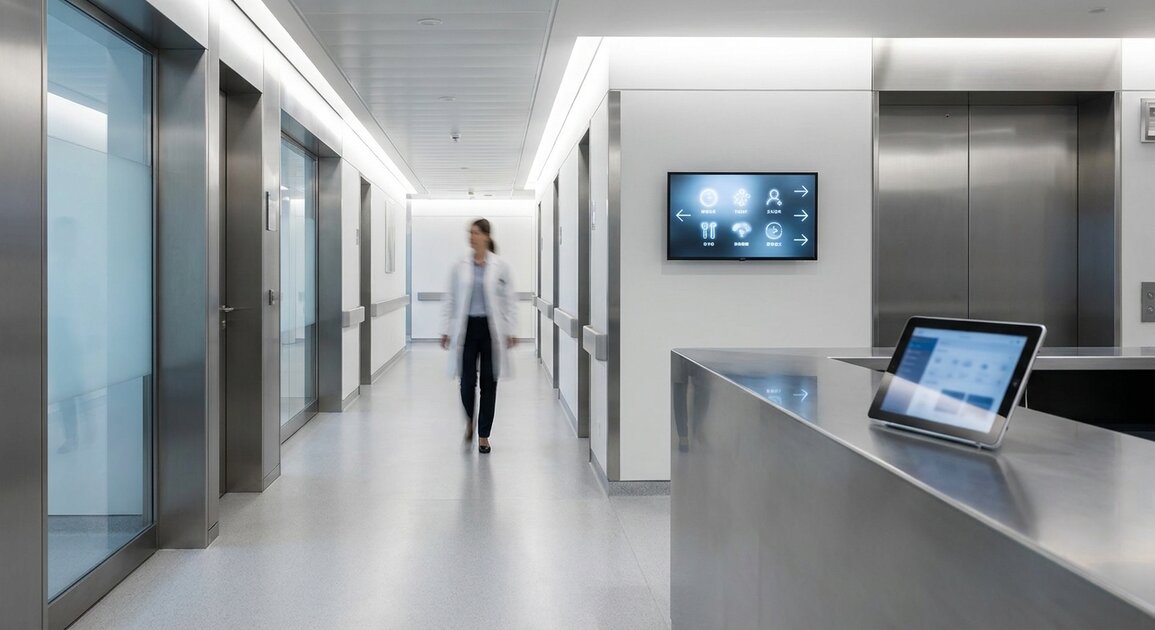
In high-traffic environments such as airports, hospitals, retail stores, and large public venues, demand changes constantly. Yet many operating models still rely on fixed schedules, preset staffing assumptions, and static service intervals. As PwC notes in its work on reinventing operations, outdated operating models can constrain performance at a time when leaders are being pushed to deliver greater speed, trust, and effectiveness.
The Untapped Opportunity: Traffic + Sentiment
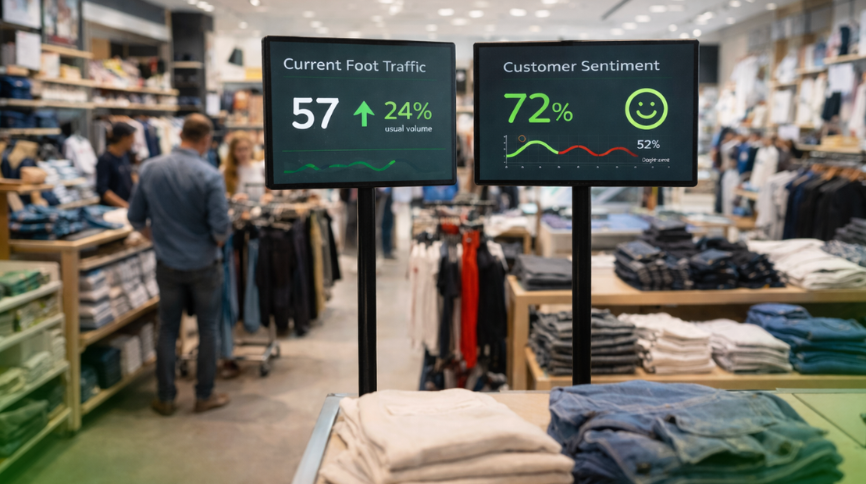
Physical environments generate two highly valuable streams of operational information: foot traffic and customer sentiment. On their own, each can be useful. Together, they become far more powerful.
As McKinsey explains in Ops 4.0, digital analytics can create productivity breakthroughs by helping organizations act faster, operate more efficiently, and improve predictability. That is the real opportunity here: not simply collecting more data, but using live operational signals to make better decisions in the moment.
Why Static Operations Fall Short
Traditional operating models are built around standard routines:
- Clean every two hours
- Staff based on average daily volume
- Replenish supplies at fixed intervals
The problem is that real environments do not operate on averages. They operate on variability.
Traffic rises and falls. Conditions shift. Experience changes throughout the day. Deloitte highlights that many organizations still work from data that is hours or even days old, while streaming data enables real-time analytics and faster action using fresher information.
That gap creates familiar problems:
- Over-servicing during low-traffic periods
- Under-servicing during peak periods
- Slower response to emerging issues
- Limited accountability tied to actual conditions
In short, static models produce reactive operations. Dynamic environments require something more adaptive. PwC’s operations research makes the same broader point: companies facing complexity and disruption need operating models that are built for faster decisions and clearer accountability.
The Shift to Predictive Operations
Predictive operations change the question.
Instead of asking, What should we be doing based on the schedule? organizations begin asking, What should we be doing right now based on actual conditions?
That shift becomes possible when operators combine:
- Real-time foot traffic data
- In-the-moment customer feedback
Together, these inputs help reveal patterns such as:
- When experience begins to decline as usage rises
- How long a space can perform well before service is needed
- Where bottlenecks are forming before complaints escalate
This is exactly the kind of improvement digital analytics is meant to enable. McKinsey describes greater predictability, faster change, and higher efficiency as core benefits of modern operations analytics, while Deloitte points to streaming data as a way to support real-time analytics and action.
From Real-Time Insight to Measurable Performance
When service delivery is aligned to actual conditions, operations become more precise.
Teams can respond based on usage rather than time alone. They can adjust staffing during peak periods, intervene sooner when conditions begin to slip, and reduce unnecessary labor during quieter windows. The result is a more responsive and more efficient operation.
McKinsey’s work on digital analytics in operations links these types of improvements to productivity breakthroughs, while PwC’s perspective on modern operations emphasizes the importance of redesigning operating models for better speed, reliability, and performance.
From Insight to Automation
The next step is not just visibility. It is automation.
Once traffic and sentiment patterns are understood, organizations can begin to:
- Trigger alerts when thresholds are reached
- Route tasks based on actual conditions
- Adjust service models using live demand signals
- Continuously refine operating decisions over time
Deloitte notes that streaming data is most valuable close to the moment it is generated and supports use cases such as real-time analytics, predictive maintenance, environmental monitoring, and smart city management. That same logic applies in service-heavy physical environments: the closer the signal is to the decision, the greater its operational value.
How FeedbackNow Fits In
This is where FeedbackNow plays an important role.
By capturing customer sentiment at the exact point of experience, FeedbackNow gives operators visibility into how people are experiencing a space in real time. When that feedback is paired with traffic data, teams can better understand how usage levels affect experience, identify when intervention is needed, and replace static schedules with data-driven operational triggers. That is the central idea in your original draft, and it remains the strongest strategic point.
Turning Operational Data into Advantage
Operational efficiency and customer experience are no longer separate goals. They are increasingly interdependent.
McKinsey’s research on experience-led growth argues that improving customer experience can drive measurable value creation and growth, while PwC and Deloitte both point to the importance of faster decisions, fresher data, and more adaptive operating models. Organizations that connect live operational signals to live experience signals are better positioned to operate efficiently, respond faster, and deliver more consistent outcomes.
The future of operations is not static. It is increasingly predictive.
And it starts by understanding what is happening right now.
Contact us to learn more about how FeedbackNow can help improve your customer experience and operations!