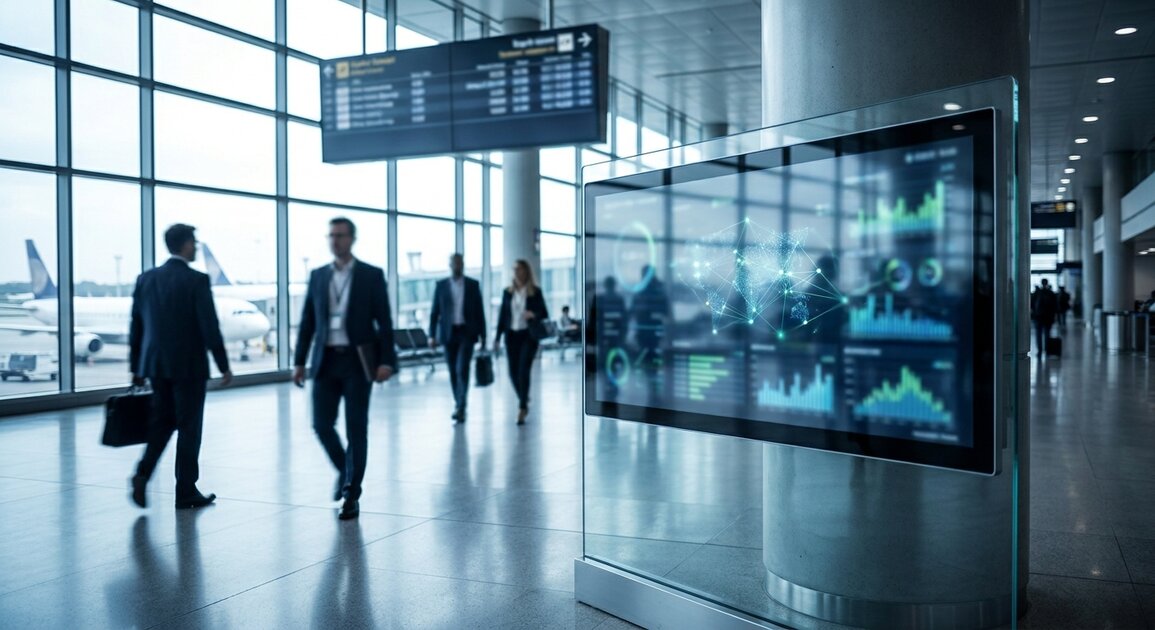
Airports are some of the most operationally complex environments in the world. Passenger expectations continue to rise, flights surge unpredictably, queues form instantly, facilities get stressed in waves, and operational partners—from security to concessions - must coordinate flawlessly.
Traditional surveys or after-flight feedback simply can't keep pace with real-time airport dynamics.
That’s why airports worldwide are embracing real-time feedback systems enhanced with AI-powered predictive analytics to detect issues instantly, improve passenger flow, support operational planning, and elevate the overall travel experience.
Below are the top ten reasons airports are adopting real-time feedback and predictive AI as a core part of their passenger-experience strategy.
1. Airports Can Detect Issues in Real Time, Not After the Passenger Has Left
Passengers encounter dozens of touchpoints - from parking to check-in, security, retail, gates, restrooms, and baggage claim.
Real-time feedback lets airports capture sentiment immediately when:
- Security lines slow
- Restrooms need attention
- Signage is unclear
- Gate areas fill up
- Concessions have long queues
AI-powered advantage:
AI detects emerging patterns - such as spikes in negative sentiment - before passenger frustration spreads across the terminal.
Customer example:
A major European hub saw immediate improvements in restroom satisfaction after deploying real-time alerts that notified staff the moment cleanliness dipped.
2. Predictive Analytics Help Airports Anticipate Passenger Surges Before They Happen
Airports experience volatile passenger movements driven by morning/evening peaks, delayed flights, weather, holidays, and tourism trends.
AI-powered advantage:
Predictive analytics forecast:
- Checkpoint congestion
- Restroom usage surges
- Gate-area crowding
- Concession rush periods
- Cleaning demand spikes
Airports can pre-position teams hours before a peak hits.
Customer example:
A North American airport used AI predictions to pre-staff security during forecasted surges, reducing negative wait-time feedback by more than 25%.
3. Real-Time Feedback Improves Security Checkpoint Flow
Security is one of the most emotionally charged parts of air travel.
Real-time sentiment and AI modeling allow airports to:
- Detect slowdowns instantly
- Add staff proactively
- Open additional lanes
- Improve passenger communication
- Reduce perceived wait time
Customer example:
An airport using real-time feedback reduced passenger complaints dramatically by adjusting lane openings based on predicted volume peaks.
4. Restroom Cleanliness Issues Are Addressed in Minutes, Not Hours
Restroom cleanliness is one of the strongest drivers of airport reputation, influencing both satisfaction and concessions spend.
AI-powered advantage:
AI analyzes footfall, sentiment drops, and time-of-day patterns to recommend smarter, demand-based cleaning schedules.
Customer example:
One large airport improved restroom satisfaction scores by over 40% after shifting to AI-predicted cleaning cycles.
5. Gate and Boarding Areas Become More Organized and Predictable
Gate crowding, unclear boarding procedures, and seating shortages are top sources of traveler frustration.
Real-time feedback provides insight on:
- Gate congestion
- Noise levels
- Communication issues
- Boarding frustrations
AI-powered advantage:
AI forecasts crowd patterns and alerts operations teams before bottlenecks form.
6. Airports Strengthen Relationships With Airlines, TSA, and Concession Partners
Airports rely on a web of partners - airlines, TSA, border control, retailers, and food operators.
Real-time feedback provides:
- Neutral, shared performance metrics
- Benchmarking across terminals and partners
- Data to support collaboration and accountability
AI-powered advantage:
AI helps partners see how operational decisions will impact future passenger sentiment and flow.
Customer example:
A major global airport used predictive dashboards to work with concession operators on forecasting peak demand, improving throughput at food outlets.
7. Concessions and Retail Revenue Increase With Better Passenger Experience
Happy, calm passengers spend more.
Real-time feedback helps airports maintain conditions that maximize dwell time and purchasing behavior.
AI-powered advantage:
AI predicts which operational issues - restroom cleanliness, security delays, seating shortages - will impact concessions spend.
Customer example:
An airport saw retail sales rise after improving restroom readiness during predicted peak windows.
8. Airports Gain Systemwide Visibility Across Terminals, Zones, and Touchpoints
Most airports operate like a small city, often with terminals that vary widely in performance.
Real-time dashboards provide:
- Cross-terminal benchmarking
- Zone-by-zone insights
- Trend identification
- Consistency monitoring
AI-powered advantage:
Predictive models highlight at-risk terminals before issues escalate.
9. Operations Teams Resolve Issues Faster With Targeted Alerts and Actionable Data
Airport staff often race from issue to issue without clear prioritization.
Real-time alerts supported by AI help teams:
- Prioritize the highest-impact issues
- Allocate resources efficiently
- Track response times
- Validate improvements
Customer example:
Airport teams reported shorter response times to cleanliness and crowding issues thanks to instant, location-specific alerts.
10. Executive Leaders Gain Predictive Insight to Guide Strategy and Investment
Executives need trusted, real-time visibility into overall performance - not slow, anecdotal, or incomplete feedback.
AI-powered advantage:
AI provides:
- Forecasted sentiment drops
- Future risk areas
- Staffing and resource recommendations
- Passenger-flow predictions
- Trendline analysis across months and seasons
This enables smarter investment decisions, better planning, and data-backed operational improvements.
Customer example:
An airport used predictive insights to justify infrastructure improvements in a specific terminal after AI identified long-term risk of declining satisfaction.
Real-Time Feedback + Predictive AI Is Becoming the New Standard in Airport Experience Management
Airports leveraging these tools see:
- Faster issue recovery
- Higher passenger satisfaction
- Increased retail revenue
- Better TSA and airline coordination
- More efficient operations
- Improved safety and cleanliness
- Reduced complaints
- More consistent terminal experience
Real-time feedback shows airports what’s happening right now. Predictive AI shows them what will happen next.
Together, they enable airports to run smoother, faster, cleaner, and more efficiently - while giving travelers a better, calmer journey.
Contact us to learn more about how FeedbackNow can help improve your customer experience and operations!